Travel Analytics: How to Use Data to Analyze Travel Trends
For 2025, total U.S. travel spending is projected to grow 1.1% to $1.35 trillion, and it is expected to reach $1.49 trillion by 2029. These numbers show just how dynamic the travel industry is and why understanding travel patterns has never been more important.
This is where Travel Analytics comes in. It helps businesses make sense of travel data to see trends, plan better, and offer experiences travelers actually want. By studying travel industry data, companies can anticipate seasonal demand, track customer preferences, and make smarter decisions.
Knowing how to analyse travel data allows businesses to turn numbers into meaningful insights. Travel data insights for tourism can guide marketing and strategic plans. Using travel data scraping, companies can scrape travel data from multiple sources and extract travel pricing data to stay competitive.
Understanding Travel Analytics and Travel Industry Data
Travel Analytics is the practice of examining travel-related information to understand trends, traveler behavior, and market opportunities. It helps businesses make informed decisions, reduce risks, and improve services. With Travel Analytics, companies can see patterns that are not obvious and plan strategies that match what travelers want.
At the heart of Travel Analytics is travel industry data. This data is the backbone of every analysis. It comes from sources like flight and hotel bookings, customer reviews, pricing records, loyalty programs, and seasonal trends. By collecting and studying this data, businesses can get a clear picture of how the market behaves.
There are several types of data available in the travel industry. Structured data includes bookings, dates, prices, and customer demographics. Unstructured data comes from reviews, social media comments, or feedback forms. Both types are important because together they show what travelers are looking for, where demand is growing, and how services can be improved. Using this data effectively allows companies to make smarter decisions and deliver better experiences.
Read more: Best Travel Data Companies to Watch in 2026
Key Sources of Travel Data for Analytics
Businesses rely on Travel Data from many sources to understand traveler behavior and market trends. Some of the key sources include:
- Bookings: Flight and hotel reservations show when and where people are traveling. This helps companies plan capacity, pricing, and availability.
- Customer profiles: Provide insights into traveler preferences, loyalty program participation, and demographics.
- Reviews and feedback: Reveal what travelers like or dislike about services, helping businesses improve experiences.
- Pricing data: Allows companies to monitor competitor rates and adjust their offerings.
- Seasonal trends: Crucial for predicting peak travel times and planning promotions, staffing, or events.
For governments and organizations, travel data insights for tourism are especially valuable. They can help:
- Identify popular destinations
- Plan infrastructure and public services
- Measure the impact of events or marketing campaigns
By combining these data sources, businesses can use Travel Analytics to make smarter decisions, anticipate demand, and offer better experiences to travelers.
How to Analyse Travel Data Effectively
Knowing how to analyse travel data is key for businesses to understand traveler behavior and spot trends. By studying the right data, companies can see patterns in bookings, pricing, customer preferences, and seasonal demand. This helps them make smarter decisions and plan services that travelers actually want.
Descriptive Analytics
Descriptive analytics looks at past travel data to show what happened. For example, tracking flight bookings and hotel occupancy over the last year can reveal popular destinations and peak travel times. This gives businesses a clear picture of traveler behavior.
Predictive Analytics
Predictive analytics uses historical data to forecast future trends. It helps companies predict demand for certain routes, hotel rooms, or seasonal travel periods. With this approach, businesses can prepare ahead of time and meet customer needs efficiently.
Prescriptive Analytics
Prescriptive analytics suggests actions based on data insights. For instance, if data shows a rise in weekend trips, companies can adjust pricing or promotions to attract more travelers. This method turns insights into practical strategies.
By using these methods, businesses can leverage Travel Analytics to turn raw information into actionable insights. It allows them to optimize pricing, improve customer experiences, and stay competitive in the fast-changing travel industry.
Transform your travel analytics strategy with the help of TagX.
Travel Data Scraping and Extraction for Analytics
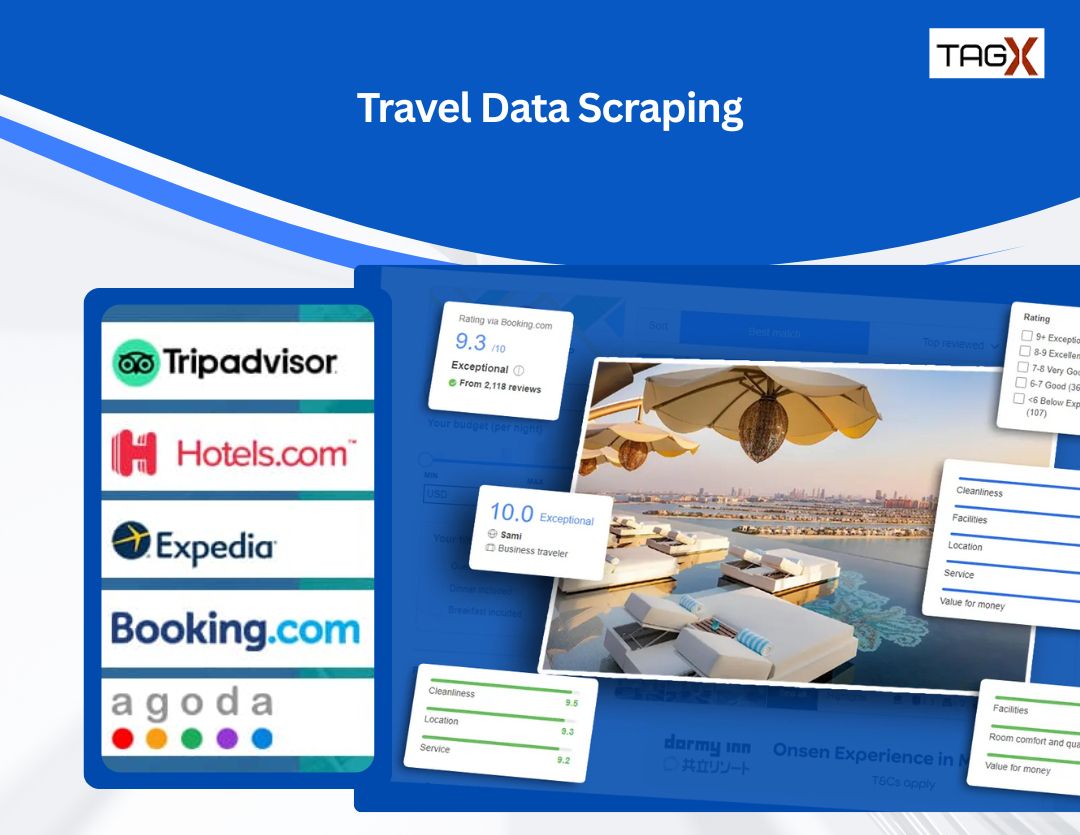
Collecting data from online sources is an important part of Travel Analytics. Businesses need accurate and up-to-date information to understand traveler behavior, pricing trends, and market patterns. This is where travel data scraping comes into play. It involves gathering publicly available information from websites, booking platforms, and other online sources.
Scrape Travel Data
When companies scrape travel data, they can collect information on flight schedules, hotel availability, reviews, and seasonal trends. This helps them track market changes and customer preferences over time. Scraping data ensures that businesses have the information they need to make decisions based on real-world behavior.
Extract Travel Pricing Data
Another important process is to extract travel pricing data. By analyzing prices for flights, hotels, or packages, companies can understand competitive rates, identify patterns, and adjust their offerings. This data also helps forecast demand and plan promotions strategically.
How Data Supports Analytics
The information collected through scraping and extraction supports Travel Analytics by providing a solid foundation of facts. Companies can combine booking trends, pricing information, and customer behavior to uncover insights, anticipate market shifts, and improve services. This process makes analytics more accurate and actionable without relying on guesses.
Use Cases of Travel Analytics in the Industry
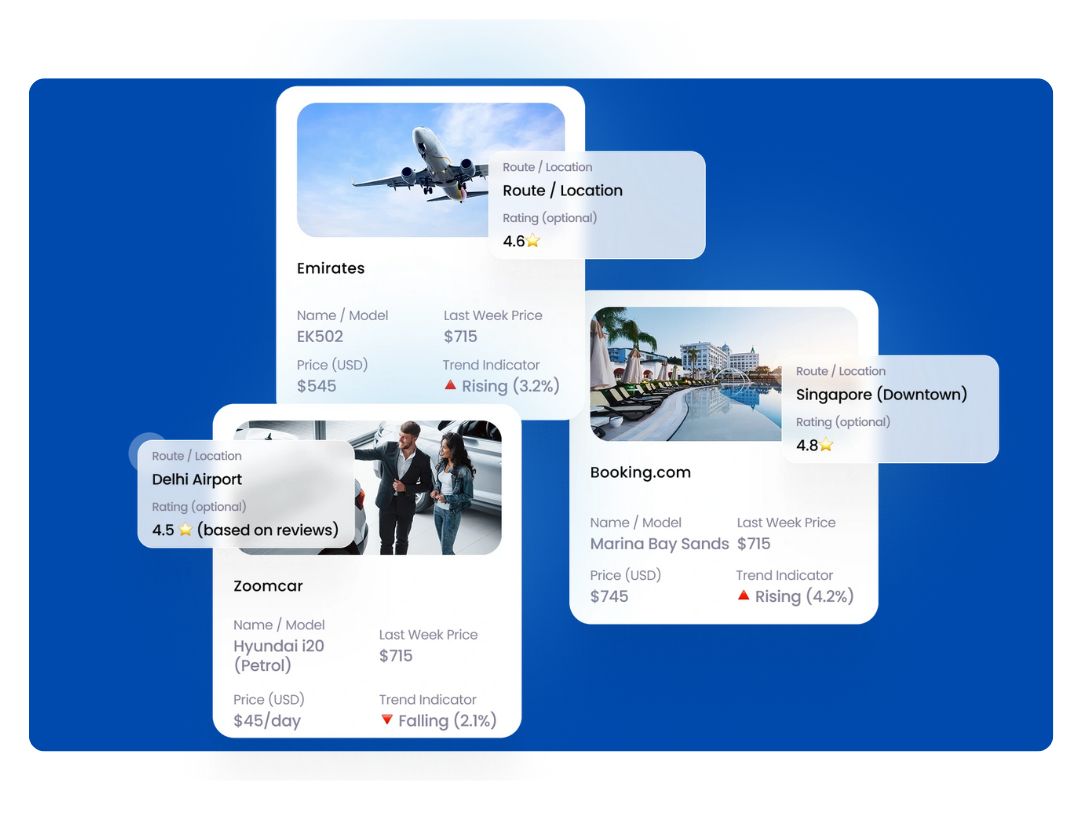
Travel Analytics is more than just numbers. It helps companies and organizations make smarter decisions and improve services in the travel industry.
Airlines Optimizing Routes
Airlines use travel industry data to see which routes are most popular and profitable. By analyzing bookings, seasonal trends, and customer preferences, they can adjust schedules, add flights on busy routes, and reduce flights where demand is low. This ensures better efficiency and a smoother experience for travelers.
Hotels Adjusting Pricing
Hotels rely on travel data insights for tourism to understand occupancy trends and pricing patterns. By studying past bookings and competitor pricing, they can adjust room rates to attract more guests during peak and off-peak times. This approach helps hotels maximize revenue while meeting customer needs.
Tourism Boards Tracking Trends
Tourism boards use Travel Analytics to track visitor trends and monitor the popularity of destinations. By analyzing travel data, they can plan marketing campaigns, improve infrastructure, and promote attractions that appeal to different traveler segments. These insights help governments and organizations make better decisions for tourism development.
Online Travel Agencies Improving Conversions
Online travel agencies (OTAs) analyze travel industry data from searches, abandoned bookings, and customer behavior. This helps them optimize their websites, recommend personalized packages, and increase booking conversions.
Corporate Travel Management
Companies use Travel Analytics to monitor employee travel patterns. By analyzing travel data insights for tourism and booking trends, they can reduce costs, negotiate better rates with hotels and airlines, and enforce travel policies more efficiently.
Event and Conference Planning
Event organizers rely on travel analytics to understand visitor flows and travel patterns. By using travel data, they can choose ideal locations, schedule events during high-demand periods, and ensure that accommodations and transport are available for attendees.
By applying Travel Analytics across these use cases, companies and organizations can make informed choices, respond to changing trends, and offer better experiences to travelers.
Benefits of Travel Analytics for Businesses
Travel Analytics offers many advantages for companies in the travel industry. By turning raw information into actionable insights, businesses can make smarter decisions and improve their overall performance.
- Better Forecasting: With access to accurate travel data, companies can predict demand for flights, hotels, and tourist destinations. This helps them plan resources, adjust pricing, and prepare for seasonal peaks. Better forecasting reduces waste and ensures that travelers get the services they need.
- Improved Customer Experience: Using Travel Analytics, businesses can understand traveler preferences and behavior. This allows them to offer personalized experiences, targeted promotions, and relevant recommendations. A better understanding of customers leads to higher satisfaction and loyalty.
- Smarter Decision-Making: By analyzing trends, pricing, and booking patterns, companies can make informed decisions about marketing, operations, and strategy. Travel Data helps businesses identify opportunities, minimize risks, and stay ahead of competitors in a fast-changing market.
Overall, implementing Travel Analytics helps travel businesses operate efficiently, satisfy customers, and grow sustainably.
Challenges in Travel Analytics
While Travel Analytics provides many benefits, businesses face several challenges when working with travel data. Understanding these issues helps companies prepare and implement analytics more effectively.
Data Quality
Poor or incomplete travel data can lead to inaccurate insights. Missing information, outdated records, or errors in bookings and customer profiles make it difficult to draw reliable conclusions. Ensuring clean and accurate data is essential for effective analytics.
Data Fragmentation
Travel information comes from many sources, including airlines, hotels, travel agencies, and online reviews. This fragmentation can make it challenging to combine data into a single, unified view. Businesses need strategies to organize and integrate these different datasets.
Privacy and Compliance
Collecting and using travel data must follow privacy regulations. Companies must handle personal information responsibly, protecting customer data while still gaining insights. Failing to comply with regulations can result in legal and reputational risks.
Integration Challenges
Combining structured and unstructured travel data can be difficult. Booking records, pricing data, and customer reviews often exist in different formats. Integration requires careful planning to make the data usable for Travel Analytics and decision-making.
By addressing these challenges, businesses can make the most of Travel Analytics and turn travel data into reliable insights that improve operations and customer experiences.
Read also: Turning Data into useful Knowledge for Travel and Tourism
How Businesses Can Leverage Travel Data Services
Collecting and using accurate travel data is essential for effective Travel Analytics. Businesses that partner with TagX can overcome common challenges like fragmented information, inconsistent quality, and privacy compliance.
Streamlined Data Collection
With TagX’s services, companies can gather travel data from multiple sources such as bookings, reviews, pricing records, and seasonal trends. This ensures a complete and reliable dataset that supports deeper analysis.
Improved Data Insights
TagX helps businesses turn raw information into travel data insights for tourism. These insights allow companies to identify trends, understand traveler behavior, and plan strategies that improve customer satisfaction and business performance.
Efficient Data Management
TagX also makes it easier to handle large and complex datasets. Businesses can integrate structured and unstructured information, ensuring all relevant data is ready for Travel Analytics. This reduces errors and saves time when analyzing trends or forecasting demand.
By leveraging TagX’s data services, travel companies, tourism boards, and hotels can make smarter decisions, stay competitive, and maximize the value of their travel data.
Conclusion
Travel Analytics is transforming the travel industry by helping businesses, hotels, airlines, and tourism boards make smarter decisions. By analyzing travel data and identifying patterns, companies can anticipate demand, optimize pricing, and improve customer experiences.
Using accurate and well-organized travel industry data allows businesses to uncover meaningful insights that drive growth and efficiency. When applied correctly, Travel Analytics turns raw information into strategies that meet traveler needs and keep companies competitive in a fast-changing market.
Leveraging professional data services, like those offered by TagX, ensures that businesses can collect, manage, and analyze data effectively. This makes it easier to transform insights into actions, helping the travel industry evolve and deliver better experiences for travelers everywhere.
To get started with smarter travel analytics, contact TagX today and discover how your business can leverage high-quality travel data for better insights and growth.